

How to Successfully Upgrade Your Home’s Insulation: Essential Tips for Every Homeowner
Upgrading your home’s insulation is a strategic step toward enhancing energy efficiency, reducing utility bills, and increasing comfort. Proper insulation not only keeps your home warmer during cold months but also cools effectively during the summer. Achieving a successful upgrade requires a clear understanding of the process, the types of insulation available, and the best practices to follow. This comprehensive guide provides essential tips tailored for homeowners aiming for a seamless and effective insulation upgrade.
Understanding the Importance of Effective Home Insulation
Proper insulation forms the backbone of a well-performing home. It reduces heat exchange with the external environment, maintains a consistent indoor temperature, and decreases the load on heating and cooling systems. Failing or inadequate insulation leads to higher energy consumption, increased utility bills, and compromised comfort.
Moreover, insulation contributes to noise reduction and environmental sustainability. Choosing the right insulation type and installation method ensures maximum benefits and long-term durability.
Initial Assessment: Evaluate Your Existing Insulation
Inspect Current Insulation Conditions
Before initiating upgrades, perform a thorough inspection of current insulation. Check accessible areas such as attics, basements, and walls for signs of degradation, moisture damage, or compression.
Identify Insulation Gaps and Inefficiencies
Look for obvious gaps, thin spots, or non-uniform coverage. Use a measuring tape to gauge insulation depth where possible. Recognize regions where insulation is missing or ineffective, such as around penetrations, electrical outlets, or incomplete coverage.
Determine the Type and R-Value
Document existing insulation types—batts, rolls, spray foam, blown-in cellulose, or others—and note their R-values (thermal resistance). Higher R-values indicate superior insulation effectiveness. Adjust your upgrade plans based on current deficiencies and goals.
Selecting the Right Insulation Material
Types of Insulation Options
- Batt or Roll Insulation: Commonly made of fiberglass or mineral wool; easy to install in standard framing.
- Blown-In Insulation: Cellulose or fiberglass; suitable for attics, walls, or irregular spaces.
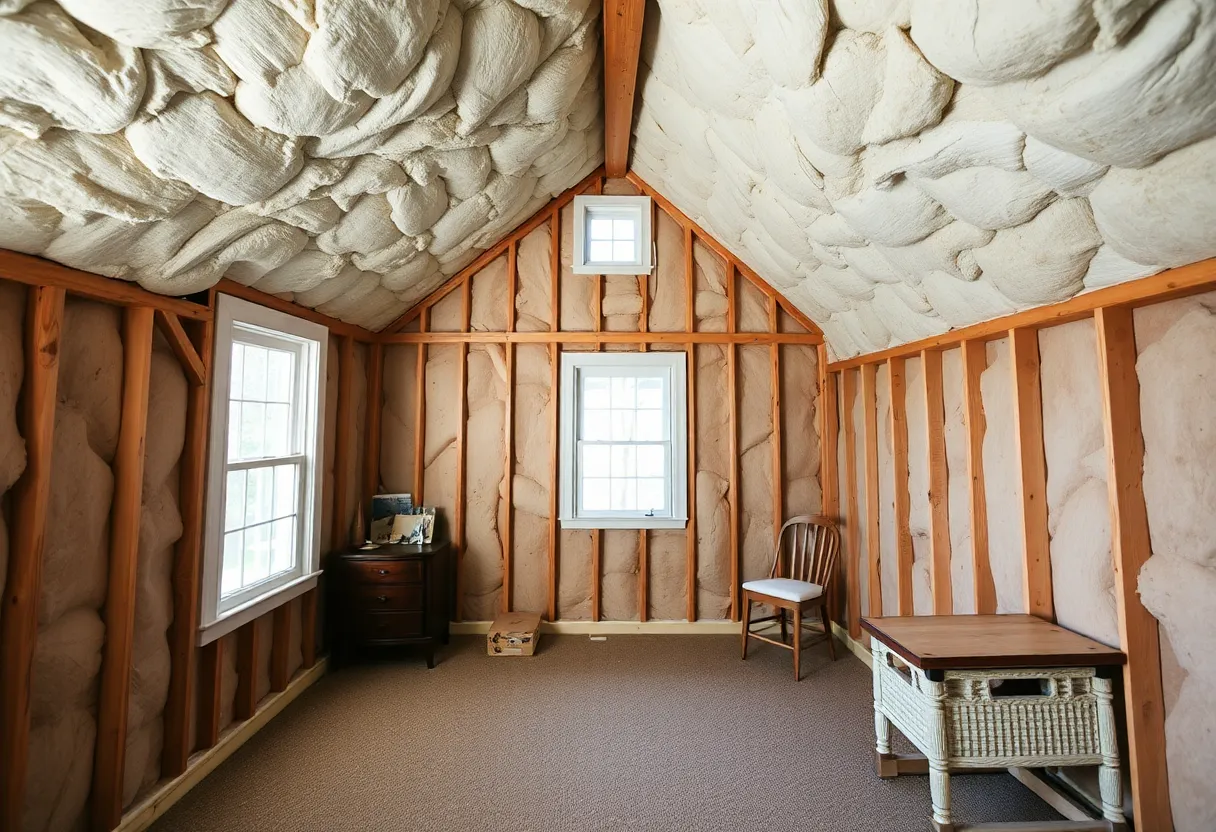
- Spray Foam Insulation: Expands upon application; provides superior air sealing and high R-values.
- Reflective or Radiant Barriers: Use reflective surfaces to reduce radiant heat transfer, especially in hot climates.
Matching Material to Space and Needs
Choose materials based on location, accessibility, insulation performance, and budget. For example, spray foam offers excellent air sealing but entails higher initial costs, whereas blown-in cellulose is more affordable for attic insulation.
Planning and Preparing for Installation
Set Realistic Goals and Budget
Define your desired R-value based on climate zone and local building codes. Establish a budget that factors in both material costs and labor if hiring professionals.
Obtain Necessary Permits
Check local regulations regarding insulation upgrades. Permits may be required, especially for significant or structural modifications.
Gather Tools and Materials
- Protective gear: gloves, masks, goggles
- Insulation materials
- Measuring tape, utility knife, staple gun (for batt insulation)
- Blower or spray equipment (if applicable)
- Sealants and air barrier materials
Executing the Upgrades Effectively
Prioritize Air Sealing
Seal gaps, cracks, and penetrations with caulk, foam sealant, or weatherstripping before installing new insulation. Air leaks significantly reduce insulation effectiveness and cause drafts.
Address Moisture Issues
Identify and remediate sources of moisture infiltration that could compromise new insulation. Install vapor barriers where appropriate, especially in basements and crawl spaces.
Install Insulation Correctly
- Batt or Roll Insulation: Cut to fit snugly between framing members; avoid compression.
- Blown-In Insulation: Use proper equipment to achieve uniform coverage and optimal R-values.
- Spray Foam: Apply in well-ventilated areas, ensuring even coverage for maximum adhesion and sealing.
Ensure Proper Ventilation and Clearance
Maintain adequate attic ventilation and avoid blocking soffit vents or eave vents to prevent moisture buildup and ice dam formation.
Post-Installation Checks and Quality Assurance
Verify Coverage and R-Values
Use a checklist or thermal imaging to confirm complete coverage and correct R-values in targeted areas. Proper installation is vital for insulation performance.
Inspect for Gaps and Settling
Identify and fill any overlooked gaps or compressed sections. Regularly inspect insulation in the early months post-installation for settling or damage.
Document and Maintain
Keep records of upgrade details, materials used, and dates. Schedule periodic inspections and maintenance to ensure ongoing performance and address potential issues promptly.
Maximizing Benefits and Cost Savings
Integrate Insulation Upgrades with Other Efficiency Measures
Combine insulation improvements with air sealing, window upgrades, and energy-efficient HVAC systems for maximum impact.
Monitor Energy Consumption
Track utility bills and indoor comfort levels to evaluate effectiveness. Enhanced insulation usually results in noticeable savings over time.
Leverage Incentives and Rebates
Investigate local and federal programs offering financial incentives for energy-efficient upgrades, including insulation. These can offset further costs and encourage upgrades.
Summary: Key Takeaways for Successful Insulation Upgrades
- Assess existing insulation carefully before planning upgrades.
- Select appropriate insulation types tailored to space, climate, and budget.
- Prioritize air sealing and moisture control to enhance insulation performance.
- Follow best practices during installation to ensure optimal effectiveness and longevity.
- Regularly inspect and maintain insulation for long-term benefits.
Conclusion
Successful insulation upgrades require meticulous planning, precise execution, and ongoing maintenance. By focusing on core principles—correct material selection, proper installation techniques, and addressing air leaks—you can significantly improve your home’s energy efficiency and comfort. Doing so not only yields financial savings but also contributes to environmental sustainability. With informed decisions and diligent efforts, every homeowner can achieve a durable, effective insulation upgrade that stands the test of time.