
What Are the Key Factors to Consider When Building a Custom Home in Raleigh, NC?
Introduction
Building a custom home is a complex venture that demands meticulous planning and attention to numerous factors. In Raleigh, North Carolina, a rapidly growing city with diverse architectural styles and unique regional considerations, understanding these factors is essential. Whether you’re a first-time builder or experienced homeowner, making informed decisions can help you create a residence that meets your needs, reflects your lifestyle, and withstands local environmental challenges.
This article explores the most critical factors to consider when constructing a custom home in Raleigh, NC. Providing a clear, fact-based guide, it emphasizes core principles without unnecessary filler. From site selection to compliance with regional regulations, each element plays a vital role in ensuring a successful project.
1. Site Selection and Land Considerations
Location and Neighborhood Compatibility
Choosing the right location provides the foundation for your future home’s sustainability, value, and convenience. Evaluate proximity to schools, employment hubs, healthcare facilities, and recreational areas. Consider neighborhood aesthetics, future development plans, and community amenities. Alignment with local zoning ordinances ensures your home’s design and use comply with community standards.
Topography and Soil Conditions
Raleigh’s varied terrain influences construction methods and costs. Flat or gently sloping land typically simplifies foundation work, reducing expense. For uneven or sloped sites, specialized foundation techniques, like retaining walls or graded terrain, may be necessary. Conduct a thorough soil test to assess load-bearing capacity and stability; poorly suited soil can lead to structural issues over time.
Environmental and Natural Factors
In hurricane-prone regions like North Carolina, consider flood zones, stormwater management, and erosion control. A site with natural drainage reduces infrastructure costs and mitigates flood risks. Also, evaluate environmental restrictions, wetlands, or protected habitats that could impact construction.
2. Regulatory and Zoning Compliance
Zoning Regulations and Restrictions
Each city or county in Raleigh has specific zoning codes dictating lot usage, building size, setbacks, and height restrictions. _Understanding these parameters ensures your design fits within allowable parameters_, preventing costly redesigns or legal issues.
Building Permits and Local Codes
Secure all necessary permits before breaking ground. Raleigh’s building department enforces codes related to safety, energy efficiency, and environmental standards. Ensure your plans align with North Carolina building codes and local amendments, especially those addressing wind resistance and hurricane preparedness.
3. Design and Architectural Planning
Personal Lifestyle and Functionality
A custom home should reflect your specific needs. Consider the number of bedrooms, bathrooms, and special spaces like offices, gyms, or hobby rooms. Prioritize flow and usability within the design, optimizing natural light and ventilation to enhance comfort and energy savings.
Regional Architectural Styles
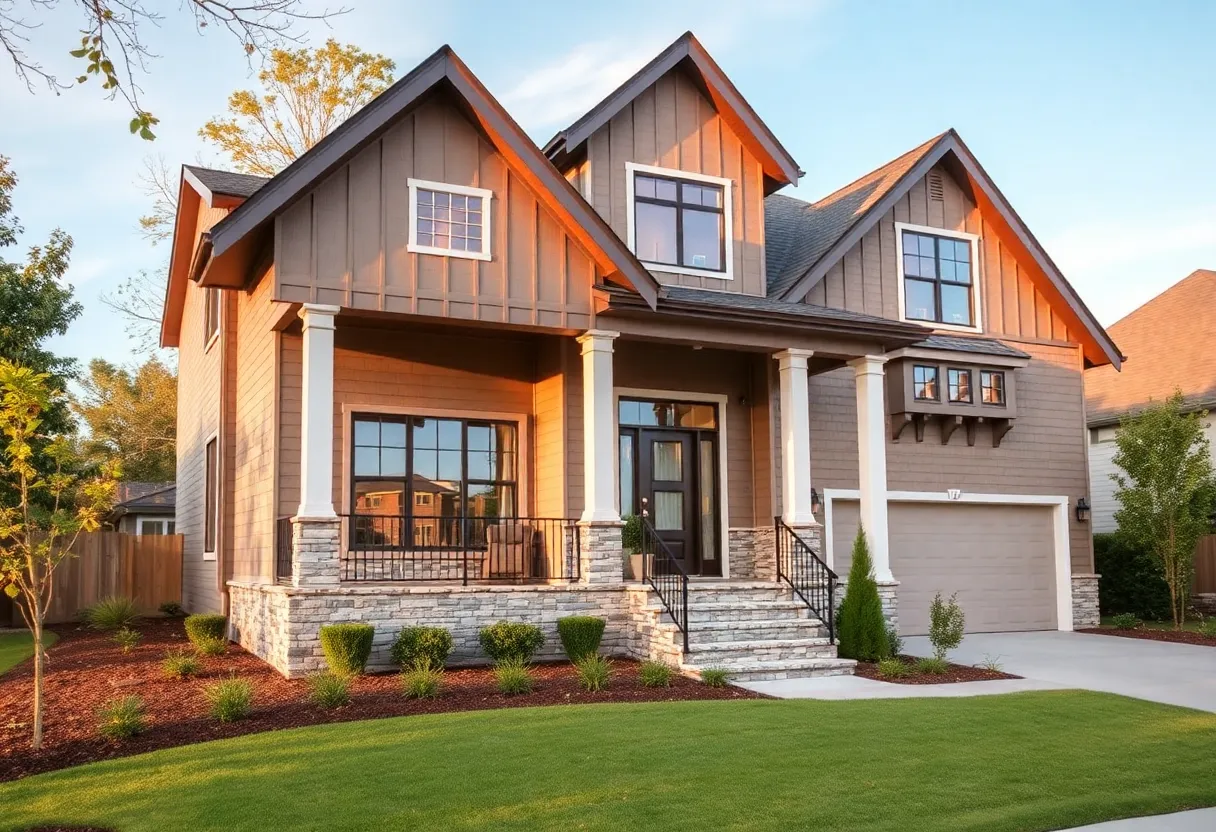
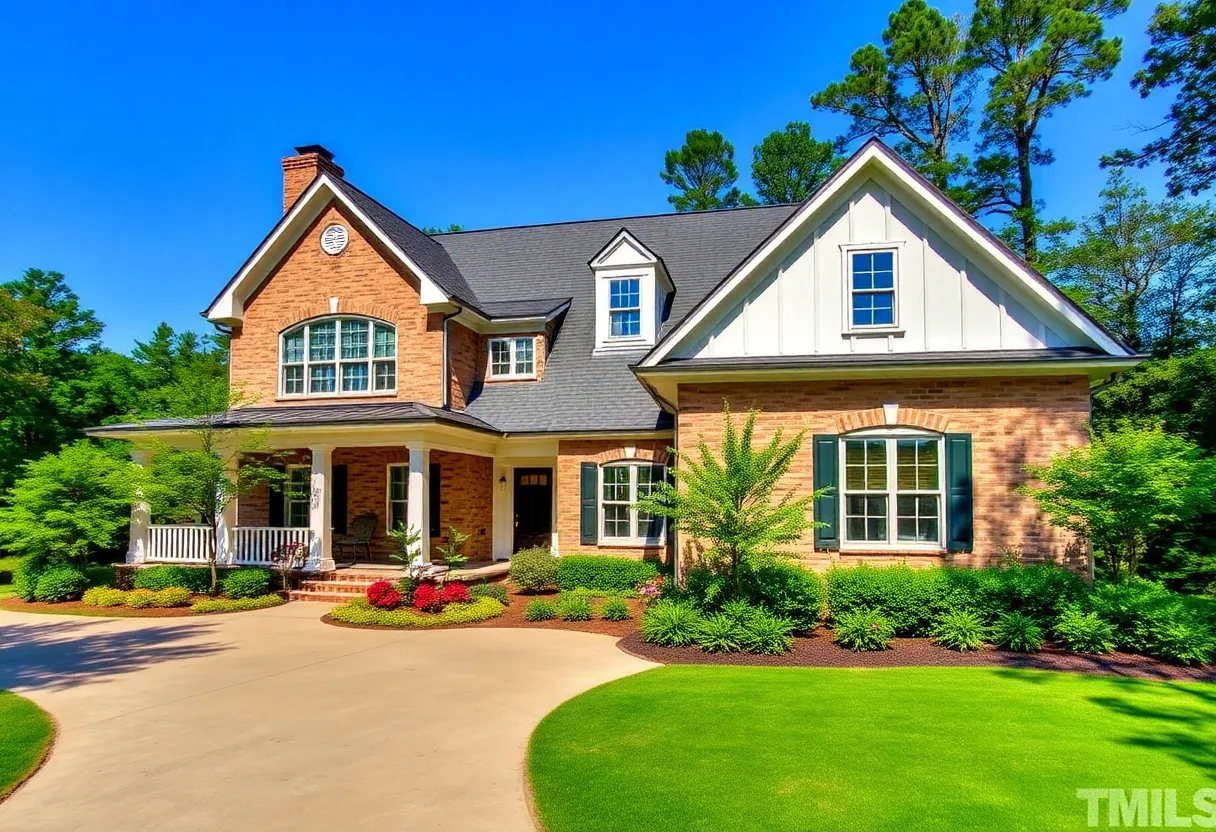
Raleigh features diverse styles, from traditional Southern designs to modern minimalist homes. Incorporate regional architectural elements for aesthetic harmony and potential resale value. Engage professional architects familiar with local preferences to balance functionality with style.
Energy Efficiency and Sustainability
Growing emphasis on sustainable building practices influences design choices. Invest in high-quality insulation, energy-efficient windows, and green building materials. Consider solar panel integration and smart home technology to reduce long-term utility costs.
4. Construction Materials and Techniques
Regional Material Availability
Utilize locally available materials like North Carolina timber or stone to reduce transportation costs and support regional economies. Select durable, weather-resistant materials suited to Raleigh’s climate—hot summers, humid conditions, and occasional storms.
Foundation and Structural Considerations
Given Raleigh’s occasional moisture issues, foundation design must account for potential moisture intrusion. Consider slab-on-grade or basement foundations with adequate drainage and waterproofing. Use hurricane-resistant framing techniques if your site is in a high-wind zone.
Building Codes and Standards
Ensure all materials and construction methods follow North Carolina building standards for safety and durability. Comply with EPA guidelines regarding environmental impact and energy efficiency.
5. Budget Planning and Cost Management
Initial Budget Estimation
Create a comprehensive budget covering land acquisition, permits, design fees, construction costs, and contingencies. Be realistic about costs associated with custom features and regional building requirements.
Contingency Funds and Cost Overruns
Unexpected expenses are common. Allocate a contingency budget—typically 10-15% of total costs—to handle unforeseen issues like soil remediation or material price increases.
Financial Incentives and Incentive Programs
Explore local, state, or federal programs that support energy-efficient or sustainable building practices. Such incentives can offset costs over time and improve your home’s overall performance.
6. Builder Selection and Project Management
Choosing a Reputable Builder
Select a builder with local experience, excellent references, and a track record of successful custom projects. Verify licensing and insurance status through North Carolina’s licensing board.
Contract Details and Scope Definition
A detailed contract defines timelines, materials, scope, and payment schedules. Clearly specify project milestones, inspection procedures, and change order policies to avoid disputes.
Project Oversight and Communication
Maintain regular contact with your builder. Periodic site visits and updates ensure adherence to timelines and quality standards. Transparent communication minimizes delays and costly errors.
7. Environmental and Sustainability Considerations
Adaptation to Regional Climate
Design homes to withstand Raleigh’s climate nuances—consider storm-resistant features, proper insulation, and energy-efficient systems tailored for hot summers and humid conditions.
Green Building Practices
Implement strategies like rainwater harvesting, solar energy, and passive cooling. Use eco-friendly materials such as recycled steel or FSC-certified wood to reduce environmental impact.
8. Technology and Future-Proofing
Smart Home Integration
Incorporate smart systems for lighting, security, and climate control. Planning for a robust electrical infrastructure ensures seamless integration and future adaptability.
Flexibility and Expansion
Design your home with potential future modifications in mind. Adequate wiring, plumbing, and structural provisions facilitate additions or renovations down the line.
Conclusion
Building a custom home in Raleigh, NC is an intricate process demanding deliberate planning across multiple facets. From site selection to sustainable materials, each factor influences your long-term satisfaction and home performance.
Prioritize regional considerations, compliance, and a clear understanding of your needs. Collaborate with experienced professionals to navigate zoning laws, construction standards, and sustainable practices. A thoughtful approach will ensure your dream home becomes a durable, valuable asset tailored perfectly to Raleigh’s unique environment.