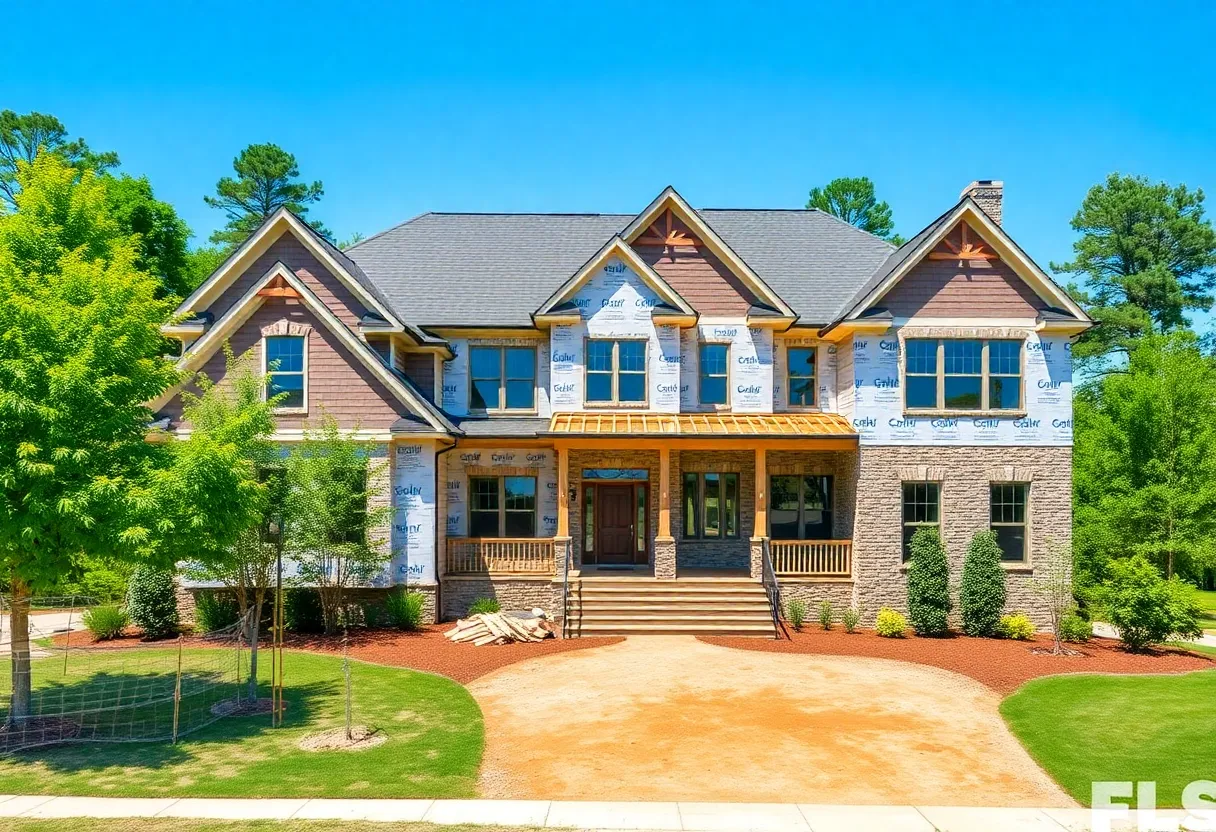

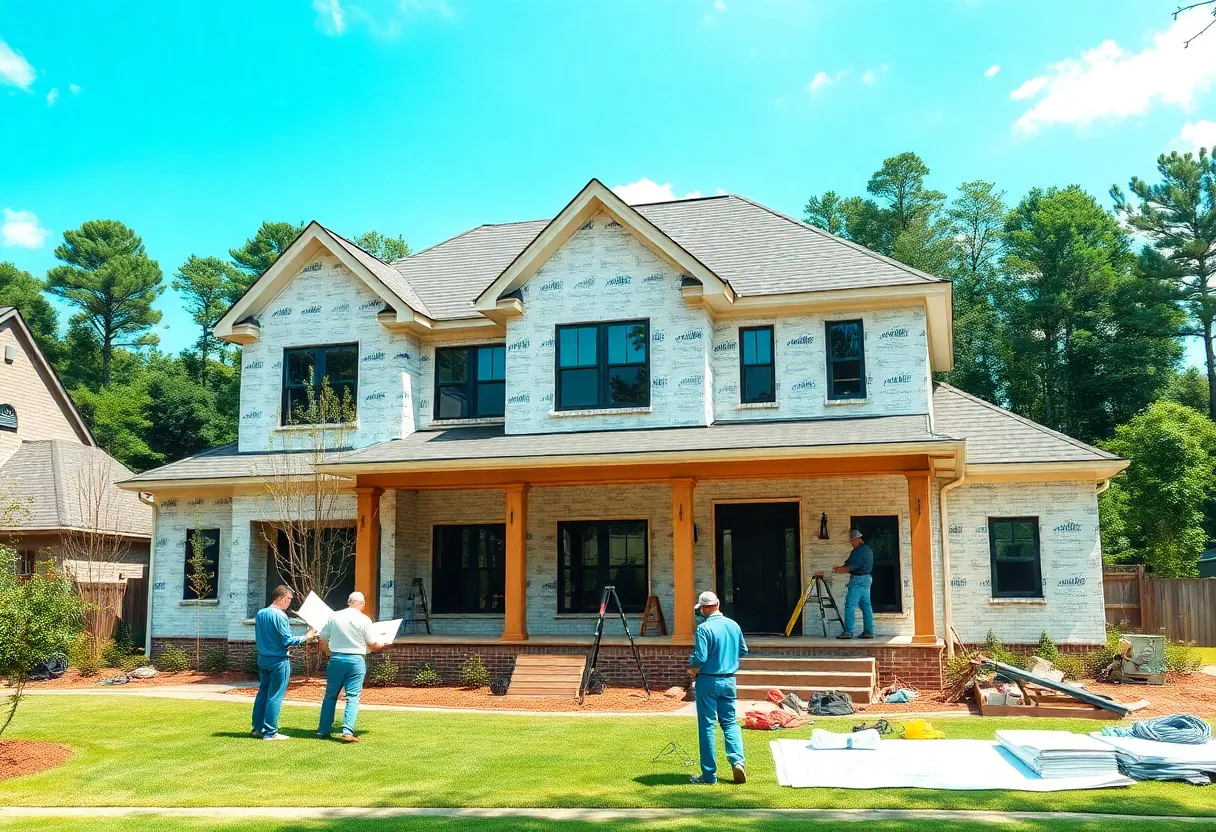
What Are the Key Considerations When Building Your Dream Home in Raleigh, NC?
Building a custom home is an ambitious endeavor that requires strategic planning and careful decision-making. In Raleigh, North Carolina, a city renowned for its rapid growth, diverse neighborhoods, and vibrant community, prospective homeowners face unique challenges and opportunities.
Understanding Local Regulations and Zoning Laws
Comprehensive Knowledge of Local Ordinances
Before initiating construction, it is imperative to familiarize yourself with Raleigh’s zoning regulations and building codes. These regulations determine permissible land uses, building heights, setbacks, and lot coverage. Non-compliance can lead to delays and potential legal issues. Engaging local planning departments early ensures your plans align with community standards.
Permitting Process and Timeline
Securing permits is a critical-step in home construction. Raleigh requires permits for new constructions, additions, and significant remodeling projects. The process typically involves submitting detailed plans, paying fees, and passing inspections. Navigating this process efficiently can save time and prevent costly revisions.
Site Selection and Land Acquisition
Choosing the Right Location
Location influences lifestyle, commute times, property value, and future resale potential. Consider proximity to employment hubs, schools, shopping, recreation, and access to major roads. Raleigh’s diverse neighborhoods offer varying amenities and community vibes.
Assessing Land Topography and Soil Conditions
Conduct thorough soil tests and topographical assessments. These evaluations determine foundational requirements and construction feasibility. For example, land with high water tables or unstable soil conditions may necessitate specialized foundations, increasing costs.
Legal Title and Land Restrictions
Verify the title deed and check for easements, covenants, or restrictive covenants that may limit your usage or design options. Conducting a comprehensive land survey ensures clarity on property boundaries and existing encumbrances.
Designing Your Dream Home
Defining Core Needs and Lifestyle Preferences
Begin with a detailed list of must-haves—number of bedrooms, bathrooms, layout preferences, outdoor spaces, and special features. Consider integration of energy-efficient systems and smart home technology for added convenience and sustainability.
Working with Architects and Designers
Engage experienced professionals familiar with local styles and building practices. A well-designed plan aligns aesthetic goals with practical considerations like lot orientation and climate. Clear communication of your vision facilitates efficient design development.
Balancing Aesthetics and Functionality
Prioritize timeless architectural elements that complement the neighborhood while ensuring internal layout efficiency. Striking this balance enhances long-term satisfaction and property value.
Budgeting and Financial Planning
Estimating Construction Costs
Constructing a detailed budget that includes land acquisition, permits, design fees, construction, landscaping, and contingency funds is vital. Current market conditions in Raleigh, such as labor costs and material prices, can significantly influence your budget.
Securing Financing
Investigate construction loans, traditional mortgages, or other financing options suitable for custom builds. Pre-approval simplifies the purchasing process and ensures funds are available when needed.
Contingency Planning
Password buffer of approximately 10-15% to cover unforeseen expenses. This contingency prevents project interruptions and maintains financial stability.
Choosing the Right Construction Partner
Selecting a Reputable Builder
Vet contractors through references, portfolios, and licensing checks. An experienced builder understands Raleigh’s building codes and local climate considerations.
Ensuring Clear Contracts and Communication
Establish comprehensive contracts detailing scope, timeline, payment schedules, warranties, and change protocols. Transparent communication reduces misunderstandings and promotes accountability.
Considering Sustainability and Energy Efficiency
Adopting Green Building Practices
Incorporate sustainable materials, proper insulation, and ENERGY STAR-rated appliances to minimize environmental impact and reduce utility costs. Solar panel integration and rainwater collection systems are increasingly popular in Raleigh.
Optimizing Home Orientation and Design
Strategic placement of windows, shading devices, and passive solar design maximizes natural light and temperature regulation. This approach enhances comfort while lowering energy consumption.
Outdoor Space and Landscape Planning
Permitting and Environmental Considerations
If developing outdoor areas, ensure compliance with local stormwater and environmental regulations. Preserve natural features and plan sustainable landscaping that suits Raleigh’s climate.
Creating Functional and Aesthetic Landscapes
Design outdoor living spaces that balance aesthetic appeal with practicality. Incorporate patios, gardens, and play areas, considering future maintenance requirements.
Future-proofing Your Home
Adaptability and Resale Value
Design with flexibility to accommodate future needs, such as aging-in-place features or expanding family size. This foresight can boost resale value in Raleigh’s dynamic market.
Technology Integration and Connectivity
Plan for high-speed internet, security systems, and home automation. These features align with Raleigh’s tech-forward community and enhance daily convenience.
Construction Timeline and Project Management
Setting Realistic Expectations
Typical build times vary depending on project scope, weather, and contractor availability. Establish clear milestones and communication channels.
Monitoring Progress and Quality Control
Regular site visits and inspections ensure adherence to plans and standards. Address issues promptly to avoid delays or rework.
Post-Construction Considerations
Final Inspections and Certifications
Ensure all local inspections are completed successfully and necessary certifications obtained before move-in.
Warranty and Maintenance Planning
Obtain comprehensive warranties for structural elements and appliances. Develop a routine maintenance schedule to preserve your investment.
Conclusion
Building your dream home in Raleigh, NC, involves multifaceted planning and strategic decision-making. From understanding local regulations to designing sustainable, functional spaces, each step requires careful attention.
The key to a successful build lies in thorough preparation, choosing reliable professionals, and aligning your vision with practicality and compliance. When approached with clarity and diligence, your Raleigh dream home can become a rewarding reality that stands the test of time.