
How to Leverage Local Insights for a Successful Home Buying Experience in Raleigh
Buying a home is one of the most significant financial decisions. In Raleigh, North Carolina, this process can be optimized by effectively leveraging local insights. Knowledge about the community, market trends, neighborhoods, and infrastructure can dramatically influence the success of your home purchase. This guide provides a comprehensive approach to harnessing local insights for a seamless, informed home buying experience in Raleigh.
Understanding the Raleigh Real Estate Market
The Current Market Landscape
Raleigh’s real estate market reflects robust growth driven by strong economic fundamentals, including a diversified tech sector, research institutions, and ongoing infrastructural development. Recognizing market trends—such as property appreciation rates, inventory levels, and pricing patterns—is *crucial*. This data allows buyers to gauge timing and pricing strategies effectively.
Neighborhood Dynamics
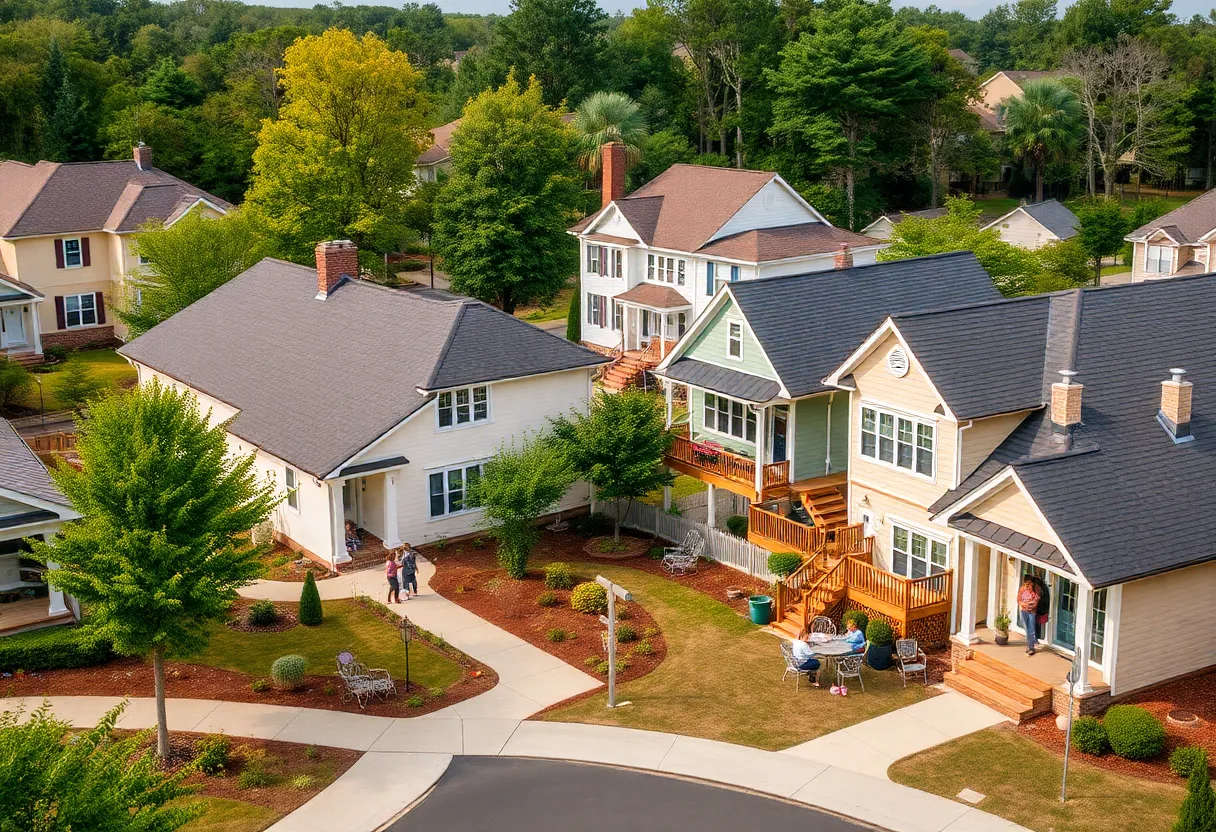
Each neighborhood in Raleigh offers unique characteristics, amenities, and community cultures. Areas like North Hills boast urban convenience, while suburbs like Wake Forest provide quieter, family-oriented environments. Understanding neighborhood-specific dynamics, such as school quality, safety, commute times, and recreational facilities, helps buyers identify options aligned with their lifestyle needs.
Leveraging Local Data and Resources
Utilize Local Market Reports
Access to detailed local real estate reports can reveal valuable insights. These reports typically contain data on recent sales, neighborhood appreciation, and inventory trends. Such information allows prospective buyers to anticipate market shifts and make strategic purchasing decisions.
Engage with Local Real Estate Professionals
Working with real estate agents who possess deep local knowledge can be instrumental. Agents familiar with Raleigh not only provide guidance on current market conditions but also offer insights into neighborhood histories, future development projects, and community plans that can impact property value.
Attend Community Events and Forums
Participation in local events, town hall meetings, and community forums provides firsthand insights into neighborhood developments, zoning changes, and community issues. These engagements can uncover information not immediately apparent through data alone, such as community sentiment about growth and infrastructure projects.
Analyzing Neighborhood-Specific Factors
School District Quality
Educational institutions significantly influence property desirability. Areas served by highly-rated schools tend to see higher demand and appreciate faster. Investigate public and private school ratings, enrollment zones, and upcoming school developments to assess the long-term value of a property.
Infrastructure and Commute Times
Evaluate transportation networks such as highway access, public transit options, and bike paths. Understanding commute patterns to employment hubs can inform decisions about location convenience, safety, and future infrastructure projects.
Safety and Crime Statistics
Access to local crime data is vital. Neighborhoods with low crime rates generally attract more buyers and exhibit stable property values. Collaboration with local law enforcement agencies or using publicly available crime reports can assist in assessing safety levels.
Aligning Personal Needs with Local Market Dynamics
Assessing Long-Term Growth Potential
Identify areas with planned infrastructural developments, such as new parks, commercial centers, or transit lines. These developments increase neighborhood appeal and property’s appreciation potential.
Understanding Resale Value and Market Liquidity
Properties in desirable and well-connected neighborhoods tend to retain value and offer better resale prospects. Analyzing historical resale data within Raleigh can aid in selecting a property worth holding or reselling in the future.
Importance of Timing and Negotiation
Market Timing Based on Local Cycles
Recognize seasonal patterns in Raleigh’s housing market. Typically, spring and early summer see increased activity, possibly leading to competitive bidding. Conversely, winter might offer more bargaining leverage. Understanding these cycles allows for strategic planning.
Effective Negotiation Strategies
Leverage local market insights to negotiate effectively. Knowledge about the seller’s motivations, recent sale prices, and area demand can give buyers an advantage. A well-informed approach often results in better deals and favorable terms.
Mitigating Risks through Local Knowledge
Identifying Future Risks
Stay informed about potential risks such as zoning changes, environmental challenges, or upcoming construction projects that could impact property value or living conditions. Engaging with community planning departments can offer early warnings.
Due Diligence in Local Context
Perform comprehensive due diligence by visiting the neighborhood at different times of day, consulting with residents, and reviewing municipal planning documents. This approach ensures a realistic understanding of living conditions and future prospects.
Utilizing Technology and Data Analytics
Local Data Platforms
Modern data platforms and real estate apps focused on Raleigh provide real-time market analytics, neighborhood guides, and demographic insights. These tools enable prospective buyers to conduct data-driven assessments rather than solely relying on anecdotal information.
Mapping Tools and GIS Data
Geographic Information System (GIS) data can reveal spatial patterns such as flood zones, proximity to industrial areas, or environmental risks. Such spatial insights are indispensable for making informed decisions on property selection.
Building Long-Term Relationships with Local Stakeholders
Networking with Local Community Organizations
Establishing relationships with local community groups, neighborhood associations, and service providers can yield insider information on neighborhood developments, community initiatives, and potential issues.
Engaging with Local Vendors and Contractors
Trusted local vendors can provide insights into renovation potentials, property condition, and future investment opportunities. Their perspectives often include practical insights grounded in local building practices.
Conclusion: The Power of Local Insights in Raleigh’s Home Buying Process
In conclusion, leveraging local insights transforms the home buying experience from guesswork into an informed strategic process. By understanding market trends, neighborhood dynamics, community developments, and utilizing various local resources, buyers can secure properties that align with both their financial goals and lifestyle preferences. Raleigh’s growing market rewards those who invest time in understanding its local nuances—ultimately leading to smarter investments and greater satisfaction in homeownership.
Effective use of local knowledge—coupled with diligent research and professional guidance—*empowers buyers* to navigate Raleigh’s competitive market confidently and achieve long-term success in their real estate pursuits.

Author: STAFF HERE RALEIGH WRITER
RALEIGH STAFF WRITER The RALEIGH STAFF WRITER represents the experienced team at HERERaleigh.com, your go-to source for actionable local news and information in Raleigh, Wake County, and beyond. Specializing in "news you can use," we cover essential topics like product reviews for personal and business needs, local business directories, politics, real estate trends, neighborhood insights, and state news affecting the area—with deep expertise drawn from years of dedicated reporting and strong community input, including local press releases and business updates. We deliver top reporting on high-value events such as the North Carolina State Fair, Raleigh Arts Festival, and the Hopscotch Music Festival. Our coverage extends to key organizations like the Greater Raleigh Chamber of Commerce and Visit Raleigh, plus leading businesses in technology and education that power the local economy such as Red Hat and NC State University. As part of the broader HERE network, including HEREAsheville.com, HERECharlotte.com, HEREGreensboro.com, and HEREOBX.com, we provide comprehensive, credible insights into North Carolina's dynamic landscape.