
What Are the Key Considerations for Building Your Dream Home in Raleigh, NC?
Building a custom home in Raleigh, North Carolina, presents an exciting opportunity to create a space tailored to your lifestyle and preferences. However, the path from concept to completion requires meticulous planning and informed decision-making. Understanding the essential considerations can streamline this process and ensure your investment results in a home that offers lasting value and satisfaction.
1. Understanding Local Zoning and Building Regulations
One of the first steps in any custom home project is to comprehend the local zoning laws and building codes specific to Raleigh, NC. These regulations dictate property use, building setbacks, height restrictions, and land use classifications.
In Raleigh, considerations such as HOA overlay districts, conservation areas, and environmental ordinances can influence design options. Failing to adhere to these regulations can lead to costly delays or legal issues. Engaging with city planning departments early ensures your plans align with local requirements.
2. Selecting the Ideal Location and Lot
Assessing Neighborhood Suitability
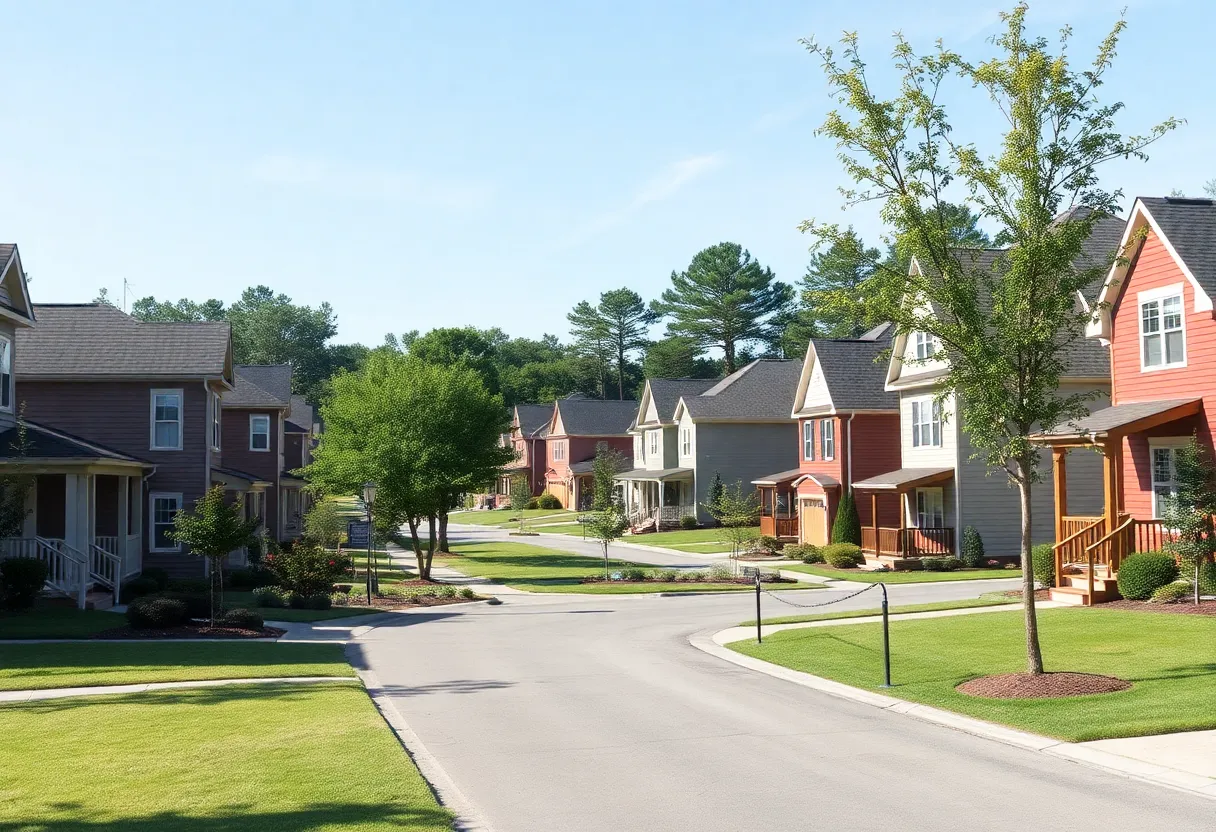
Location impacts your daily life, future resale value, and community engagement. Consider proximity to schools, employment centers, healthcare facilities, recreational amenities, and transportation links. Raleigh’s diverse neighborhoods each offer unique advantages—research these to find the best fit.
Lot Characteristics
Evaluate lot size, topography, drainage, access, and sun exposure. These factors influence your design choices and construction costs.
Steep or uneven terrain may require additional grading and foundation work, affecting budget and timeline. Flat lots simplify construction but may lack privacy or scenic value. Be cognizant of environmental constraints such as protected wetlands or mature tree preservation requirements.
3. Developing a Realistic Budget
Constructing a custom home involves a range of costs—from land acquisition to finishing touches. Establishing a comprehensive budget that covers all phases is essential.
Include contingencies of at least 10-15% for unexpected expenses. Account for permit fees, site work, foundation, construction materials, labor, interior fixtures, and landscaping.
Consult with financial professionals and experienced builders to derive accurate estimates tailored to Raleigh’s market conditions.
4. Designing Your Home: Planning for Functionality and Aesthetics
Engage with Design Professionals
Working with architects or designers familiar with Raleigh’s climate and neighborhood styles ensures your home is both functional and harmonious with its environment.
Prioritize Your Needs
Determine essential features such as number of bedrooms, bathrooms, office space, and storage. Consider future needs, such as aging-in-place accommodations or multigenerational living.
Design for Climate Resilience
South-facing windows to maximize natural light, energy-efficient roofing, and insulation are vital. Incorporate sustainable practices and high-performance systems to improve efficiency and reduce long-term costs.
5. Choosing Quality Building Materials
The selection of materials influences durability, maintenance, and aesthetics.
Opt for materials suited to North Carolina’s climate—resistant to humidity, termites, and weather extremes. High-quality siding, roofing, and windows can prevent costly repairs and enhance energy efficiency.
6. Selecting a Reputable Builder or Construction Team
The success of your project hinges on choosing experienced professionals familiar with Raleigh’s building practices.
Verify references, review past projects, and confirm licensing and insurance coverage. Clear communication and alignment on expectations are crucial to managing timelines and budget adherence.
7. Timing and Permitting Process
Understanding Permits and Inspections
Building permits are mandatory for new constructions in Raleigh. The process involves submitting detailed plans, paying fees, and undergoing inspections at various stages.
Initiate this process early to avoid delays. Your builder or project manager can assist in navigating the permitting system efficiently.
Optimal Construction Timeline
Factor in seasonal weather patterns and material lead times. Raleigh’s climate allows for year-round construction, but planning around peak seasons can prevent unforeseen disruptions.
8. Incorporating Energy Efficiency and Sustainability
Sustainable building practices enhance comfort, reduce utility costs, and align with environmental priorities.
Implement high-efficiency HVAC systems, solar solutions, gray water systems, and insulation rated beyond code minimums. Raleigh’s moderate climate makes these features especially beneficial for long-term savings.
9. Interior and Exterior Design Considerations
Focus on layout flow, lighting, and privacy. Exterior finishes should withstand North Carolina’s humidity and storms.
Consider outdoor living spaces, landscaping, and driveway placement early in the design process to optimize usability and curb appeal.
10. Future-Proofing and Flexibility
Designing with adaptability in mind ensures your home remains functional for years to come.
Include features such as flexible room layouts, ample storage, and technological integrations. Consider integrating smart home systems and home automation for convenience and value.
11. Planning Landscaping and External Features
Good landscaping enhances aesthetics and mitigates environmental issues like erosion and runoff.
Work with local landscapers familiar with Raleigh’s native plants and soil conditions. Thoughtful external planning boosts your property’s overall value.
12. Legal and Contractual Considerations
Thorough contracts clarify scope, costs, timelines, warranties, and dispute resolution methods. Read all documents carefully and retain copies for reference.
Engaging a real estate lawyer to review agreements can prevent misunderstandings and protect your interests.
Summary
Building your dream home in Raleigh, NC, involves deliberate planning across multiple facets. From understanding zoning laws to selecting the right builder, each step influences the project’s outcome. Prioritizing durability, efficiency, and thoughtful design ensures your new residence aligns with your long-term vision.
By maintaining focus on key considerations—such as local regulations, location choice, budget integrity, and quality materials—you set a foundation for a successful build. Informed decision-making and early engagement with professionals are vital to transforming your dream into a lasting reality.