
News Summary
The North Carolina Department of Transportation hosted a two-day summit in Raleigh focusing on Hurricane Helene recovery efforts and future infrastructure innovation. The event gathered over 1,000 attendees, discussing progress on significant repair work and strategies to enhance resilience against future storms. Key projects and initiatives for improving transportation systems and workforce development were highlighted, emphasizing the importance of investing in sustainable infrastructure to withstand climate-related events.
Raleigh, North Carolina — Critical Infrastructure Summit Addresses Hurricane Helene Recovery and Future Innovation
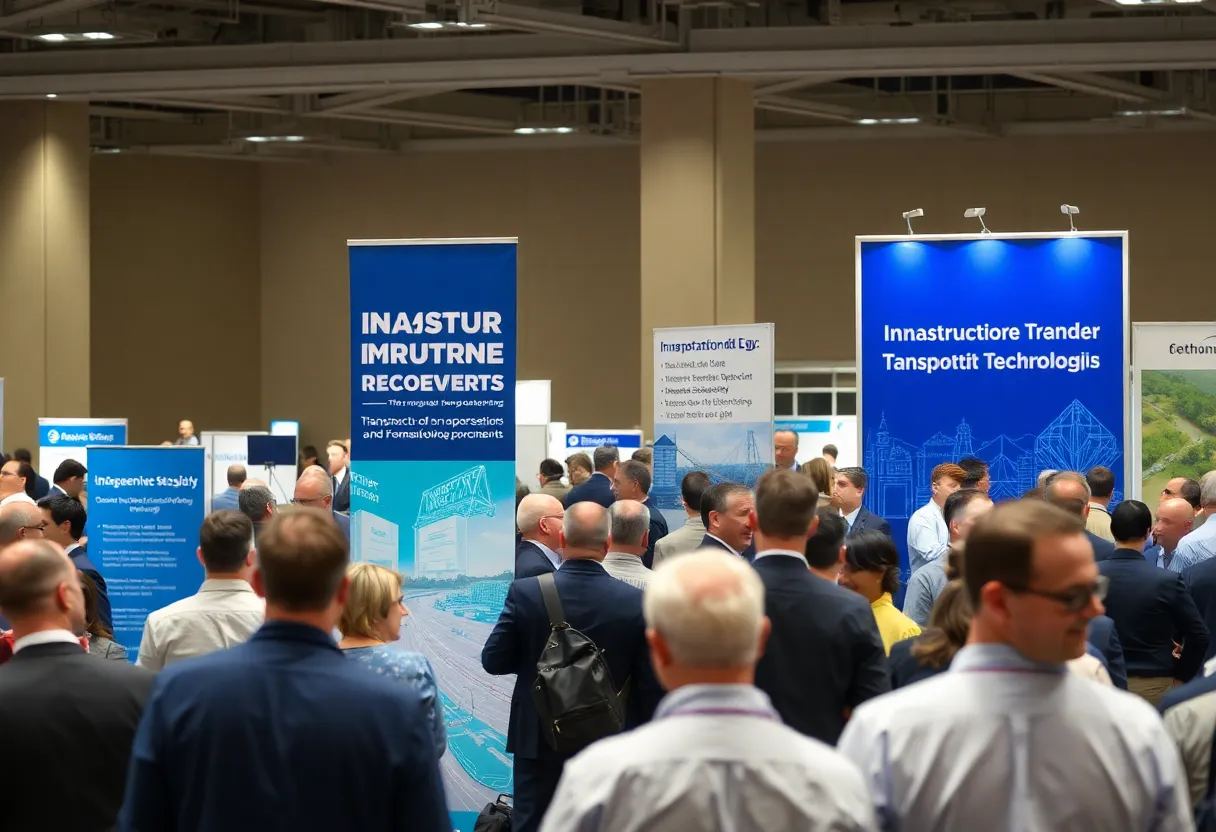
The North Carolina Department of Transportation (NCDOT) hosted a comprehensive two-day summit at the Raleigh Convention Center aimed at discussing the state’s ongoing recovery from Hurricane Helene and exploring future strategies for infrastructure resilience and innovation. The event drew participation from more than 1,000 attendees and featured over 70 vendors, industry experts, government officials, and stakeholders dedicated to improving North Carolina’s transportation systems.
Focus on Hurricane Helene Repair and Recovery Progress
The summit coincided with the first anniversary of Hurricane Helene’s destructive impact on Western North Carolina. The storm caused widespread damage, including washouts of roads and interstates, which significantly disrupted transportation networks across the region. The initial damage was extensive, with an estimated recovery cost of approximately $5 billion for repairs to roads, bridges, and culverts.
To date, over $1 billion worth of recovery work has been successfully completed. Officials reported that 97% of the roads impacted by the storm have been reopened to traffic. Despite these advancements, full recovery remains a multi-year process, projected to take about five years to complete entirely.
Current Status of Damage and Repair Efforts
The NCDOT provided an update on the scope of damage caused by Hurricane Helene. There are more than 9,400 damage sites and over 1,400 closed roads around the state, including 41 interstate closures and 123 U.S. route closures. As of the latest reports, the number of road closures has decreased to 35, indicating ongoing efforts toward restoration.
Key projects include the reconstruction of I-40 in the Pigeon River Gorge near the Tennessee border. Permits have been secured to rebuild this heavily damaged interstate, and a temporary bridge is planned to span the Pisgah River, aiding in the continuation of repair activities and rerouting traffic as necessary.
Strategic Initiatives and Future Planning
The summit emphasized the importance of resilience in rebuilding efforts to better withstand future storm events. Discussions focused on integrating innovative technologies, such as artificial intelligence, and adopting new approaches to safety and sustainability in infrastructure planning.
Participants also explored disaster relief strategies, highlighting the necessary steps to enhance emergency response and expedite recovery processes. The event underscored the importance of investing in resilient infrastructure to protect communities and economic activities from future climate-related events.
Economic Development and Workforce Enhancement
Besides recovery efforts, the summit featured a career fair aimed at recruiting additional driver’s license examiners for the DMV, addressing workforce needs to support transportation services. A business development zone was also introduced, fostering connections between smaller and larger firms to stimulate economic growth and infrastructure-related innovation.
Upcoming Topics and Participant Engagement
The agenda includes discussions led by the DMV commissioner on improving customer service experiences and expanding access to transportation services. The event intends to showcase NCDOT’s ongoing efforts to uphold safe, sustainable, and efficient transportation in North Carolina.
Key themes include disaster relief planning, safety improvements, sustainability initiatives, and the integration of artificial intelligence to optimize transportation management. Various sessions are designed to promote collaboration among industry leaders, government agencies, and community stakeholders to shape the future of North Carolina’s transportation infrastructure.
Conclusion
Overall, the summit highlights the significant progress made in the wake of Hurricane Helene and underscores the state’s commitment to resilient and innovative transportation solutions. As recovery continues, the focus remains on building infrastructure capable of withstanding future storms and fostering economic growth through strategic investments and technological advancements.
Deeper Dive: News & Info About This Topic
HERE Resources
Additional Resources
- ABC11: Hurricane Helene Recovery Summit
- WRAL: Gov. Josh Stein on Transportation Priorities
- Goldsboro Daily News: NCDOT Weekly Update
- Wikipedia: Infrastructure
- The Well News: High-Speed Rail Conference